
SFB 1361 Alumni Interview
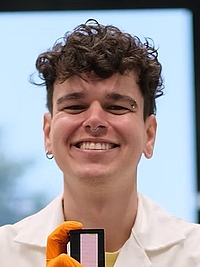
Dr Gabriel M. C. Longo
Harvard Medical School and Massachusetts General Hospital Boston
What is your current position?
Postdoctoral Fellow at Harvard Medical School and Massachusetts General Hospital.
What is your main area of research?
Gene editing.
What was driving your decision to continue a career in academia?
The possibility of pursuing research on topics that I find interesting and the prospect of becoming an independent group leader in an academic setting motivated me to pursue a postdoc after my PhD.
How did you find your current position? What were the steps you took to get to where you are now?
I knew Ben Kleinstiver from his body of work on engineering gene editors for therapeutic applications, and his lab’s research theme aligned very well with the work I had done during SFB 1361 and with my future scientific interests.
The months leading up to my PhD defense were essential for deciding on the next steps in my career. First, I thought carefully about research directions or themes I could see myself pursuing over the next few years. The next step was to contact prospective postdoc supervisors, either in person at conferences or via email. I then did interviews with the PIs and the labs to discuss potential project ideas and to understand their mentorship styles and overall lab dynamics before making a decision.
What advice do you have for someone getting his or her PhD and looking to continue a career in academia?
The timing of applying for postdoc positions is important. You don’t want to apply too early or too late, especially if you need to navigate bureaucratic hurdles like visa and work permit applications. I would advise starting to reach out to prospective postdoctoral supervisors about 6–8 months before you plan to begin your postdoc. When contacting PIs via email, make sure to prepare a tailored cover letter explaining why you’re interested in their research and describing your PhD work – generic cover letters are not going to get their attention. When interviewing with the lab, try to get a sense of the supervisor’s mentorship style and determine whether it’s a good fit for you. Be prepared to pitch a project you could see yourself pursuing during your postdoc.
Fellowships are an important part of the postdoc journey. When starting your postdoc, be attentive to fellowship application deadlines. Some calls open only once a year and may have strict criteria, such as how long you can have been working in your new lab before the application deadline. Try to time it so you can still apply for the fellowships you’re interested in. If you completed your PhD in Germany, it is very likely that you are eligible for some individual funding from the DFG, such as the Walter Benjamin Fellowship.
Finally, find a supervisor who will support your scientific journey and provide you with the mentorship and resources you need for a successful and fulfilling postdoc.